

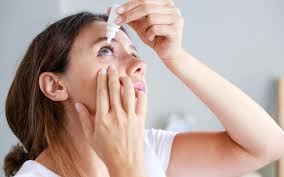
Dry eye syndrome is becoming increasingly common, both in terms of environmental and screen time causes; however, hormones and their effect on eye comfort are also a significant contributor to dry eye syndrome. Women need to be aware of how their hormones affect Dry Eye syndrome because they will undergo many hormonal changes throughout their lives (menstrual cycle, pregnancy, menopause, and thyroid issues). Understanding how hormones affect dry eye, change how much tears are produced, and how well the eyelid glands work, and ultimately, how healthy the eye surface is, thus, they can make individuals more susceptible to irritation and dryness.
The Connection Between Hormones and Tear Production
Tears are essential for lubricating the eyes, maintaining clear vision, and protecting the cornea.
Estrogen, progesterone, testosterone, and thyroid hormones are the hormones that regulate tear production and release. When imbalanced, these hormones can disrupt the delicate tear film.
For example, low estrogen levels can be related to inflammation of the eye, whereas low testosterone could directly affect the meibomian glands that produce the oil covering that layer of tear film. With the absence of oil, tears would evaporate quickly, and that would result in irritating dryness.
Why Dry Eye is Caused by Hormonal Imbalance in Women
Women undergo greater fluctuations in their hormones compared to men, so they are indeed more vulnerable to signs of dry eye. Periods of change due to fluctuating estrogen and progesterone levels can cause temporary dryness. Pregnancy influences tear stability through increased hormones that affect fluid retention and gland function.
Menopause ranks as the most important period. As estrogen falls off, many women encounter dry eye, irritation, and sensitivity. The low levels of estrogen make tear quantity low, and this function, which is regularly responsible for producing healthy eyelid oils, breaks down.
Thyroid Imbalance and Its Impact on Dry Eye
The thyroid hormones are important for maintaining metabolism and regulating a myriad of physiological functions, including the health of the eyes. Both hypothyroidism (underactive thyroid) and hyperthyroidism (overactive thyroid) can affect tear production.
Depletion of hormone levels in hypothyroid disease may result in decreased tear secretion and eyelid inflammation. In hyperthyroidism, particularly Graves’ disease, bulging of the eyes may occur, leading to increased exposure of the cornea and dry eyes in the long run. Thyroid disorder signs like redness of the eyes, eye tiredness, and discomfort from insufficient lubrication often accompany these conditions.
Treating Hormonal Dry Eye Effectively
Managing dry eye caused by hormonal changes requires a combination of targeted medical care and supportive at-home practices. Artificial tears may offer temporary relief, but persistent symptoms often require professional evaluation.
Specialized clinics offering advanced diagnostic tools can determine whether the dryness is related to hormonal shifts, gland dysfunction, or underlying conditions. Clinics working in this space, such as Eye Care Rigby, provide personalised treatment plans that address root causes and help restore long-term comfort.
Conclusion
Hormones play a much greater role in eye health than most people realise. Whether triggered by menopause, thyroid imbalance, or regular hormonal fluctuations, understanding how hormones affect dry eye can help individuals take timely steps toward better eye comfort. With lifestyle adjustments and expert guidance from dedicated eye-care providers like Eye Care Rigby, managing hormonal dry eye becomes more effective, allowing individuals to protect their vision and maintain lasting relief.
read more : https://www.my-wirelesscoupons.com/